Khorgos subsidiary and Xinjiang bonded warehouse in place — exit border under our own control
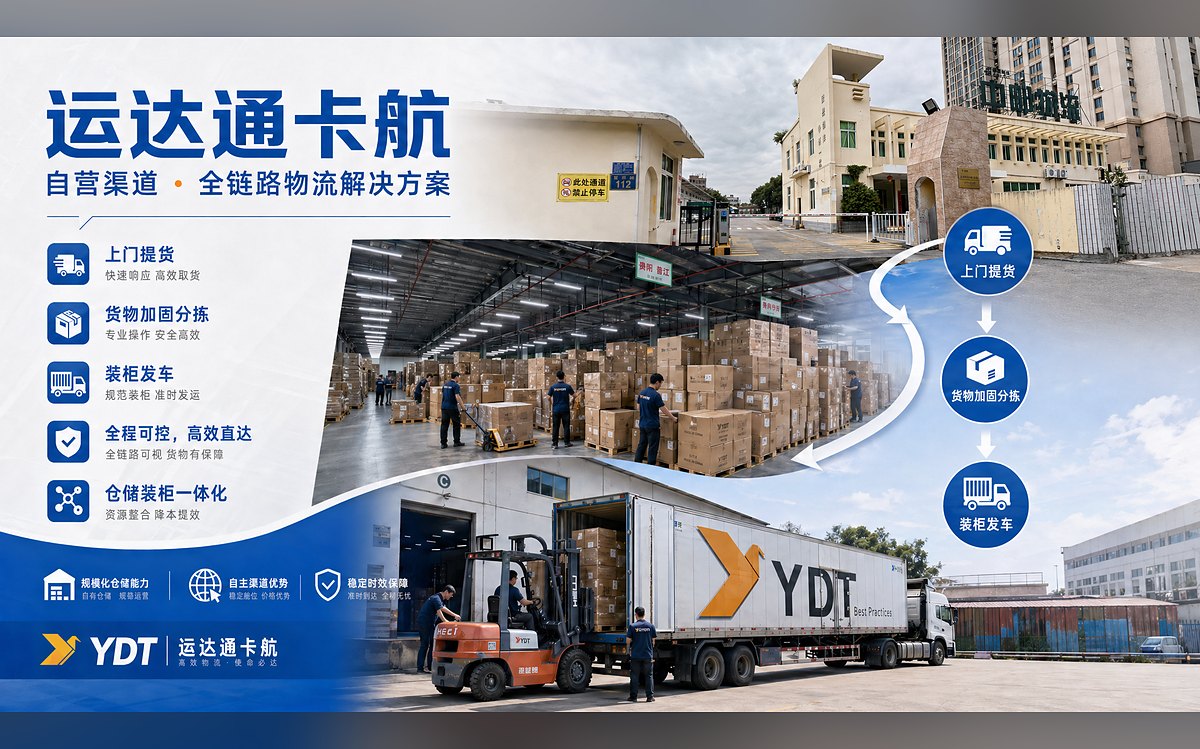
The very year the truck express lane went through, we set up a subsidiary and bonded warehouse in Khorgos, Xinjiang. This was the most critical move in the whole chain.
Why you must have a warehouse at the border
Truck express speed is made up of many legs, of which the least controllable is border exit. Once vehicles reach the border there are many queuing steps: trailer swap, inspection, document review. Any problem means the truck stays parked at the border — possibly for days.
The space for real optimization is actually inside China — if the trailer swap is done, documents pre-reviewed and inspection materials prepared before the cargo reaches the border, then the border becomes just a process, and dwell time shrinks dramatically.
What the bonded warehouse concretely does
| Step | Work done at the bonded warehouse |
|---|---|
| Trailer swap | Split-loading by lane and destination to avoid ad hoc transshipment at the border |
| Loading | Standardized loading and securing to reduce in-transit damage risk |
| Inspection cooperation | Prepare inspection materials in advance and coordinate the work |
| Document pre-review | Re-check declaration data before exit, catching errors inside China |
In the same period we also built long-term cooperation with four border ports — Khorgos, Alashankou, Baketu and Jimunai. Each has its own character and conditions change daily; we go through whichever is smoother that day — flexibility a single port cannot offer.
Before this, our role was "organizing capacity"; after setting up the warehouse, we began to truly own physical nodes in the chain. This is the dividing line between a forwarder and a logistics enterprise.
Send us the product name, pieces/weight/volume, pickup address, destination country and postal code — we will get back to you within one working day.