
The first year of China→Europe truck express: why sellers started using it instead of air
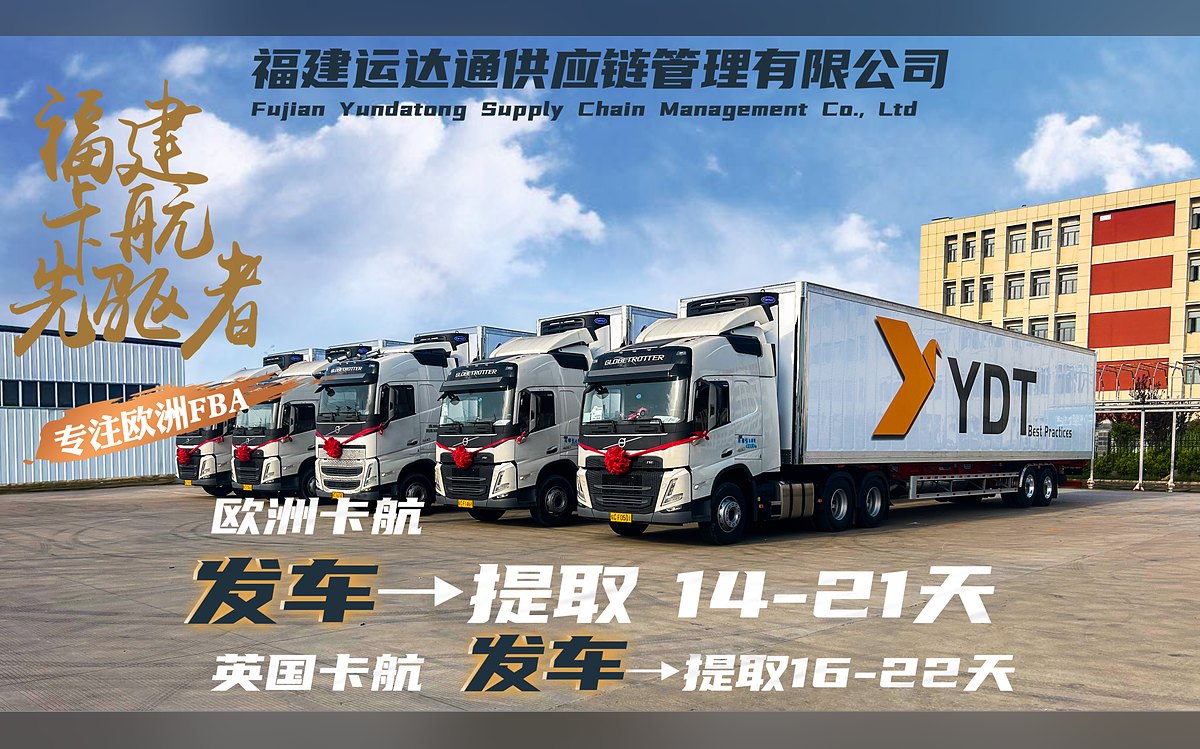
In the first year China→Europe truck express (TIR road transport from China to Europe) was running, the industry's attitude was mostly wait-and-see. Doubts centered on two points: first, whether the road would jam and speed hold steady; second, with such long road distance, what guarantees safety.
After a year of running, sellers who actually used the lane gave the answer. What truck express really solves is not just "cheaper than air" — but two other things:
1. Peak-season certainty
Air freight's biggest peak-season problem is uncontrollable space. Prices rise, space disappears, cargo piles at the airport waiting for the next flight — this is normal in peak. Truck express capacity works differently: vehicles are arranged per trip, so once locked in advance there is a definite departure time. For sellers who must hit a listing window, this certainty is worth more than the freight saved.
2. A moderate cost structure
Truck express unit price is above sea but clearly below air, and it is more tolerant of volume-to-weight ratio — especially friendly to "bulky" goods like footwear, home goods and bags. For the same volume, truck express can save a big chunk versus air.
Of course it has its costs too: speed fluctuates more than air, clearly affected by border conditions; not suited to ultra-urgent goods, where emergency restock still relies on air.
Truck express fits best as the "main channel for regular restock": not racing the most urgent days, but requiring predictability. Pairing it with air freight is usually steadier than relying on either alone.
Send us the product name, pieces/weight/volume, pickup address, destination country and postal code — we will get back to you within one working day.